

11 April, 2018 | Medicine
Charlotta Böiers
Ragnar Söderberg Fellow in Medicine 2018
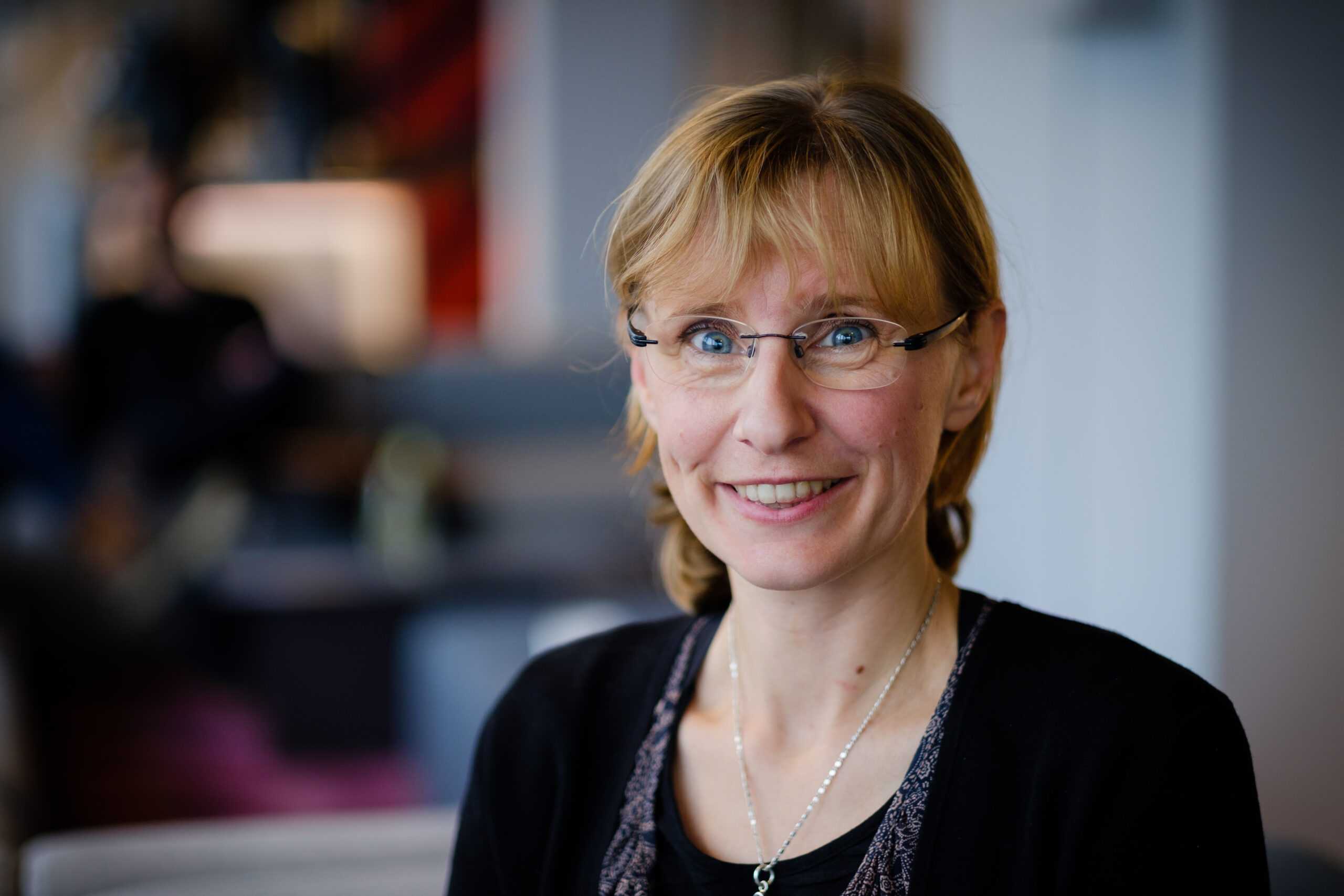
Photo: Hamid Ershad Sarabi
Project summary
Acute lymphoblastic leukaemia (ALL) is the most common form of cancer in children. In comparison, relatively few adults are affected, meaning that its incidence is highest in childhood. This contrasts with acute myeloid leukaemia (AML), which becomes more common with age. In recent decades, the prognosis for children with ALL has improved considerably, but unfortunately remains poor for certain high-risk groups. These include infants who develop leukaemia, many of whom carry a mutation involving a gene known as MLL.
One unanswered question in cancer research is which cell the disease originates in. Acute lymphoblastic leukaemia in children provides a unique opportunity to investigate this, as the first mutation is often known and, in several cases, has been shown to arise during foetal development.
“I want to understand which cell infant leukaemia originates in, focusing on the MLL-AF4 gene fusion, which is responsible for around half of all cases of aggressive infant leukaemia. It almost exclusively gives rise to B-cell acute lymphoblastic leukaemia, the mutation occurs during foetal development, and the disease develops within a relatively short period of time.
The research project will investigate how the mutation affects otherwise normal cells, both biologically and at the molecular level. The molecular studies may help us understand which genes are altered by MLL-AF4 and how we might counteract these changes. This knowledge is important if we are to improve treatment for these infants, whose prognosis unfortunately remains very poor.”


